

Detroit Historical Society Workers ‘Go Union’ With AFSCME – WNY Labor Today: Your On-Line Labor Newspaper, Bringing You Labor News From Across The Nation, New York State & Western New York
Your On-Line Labor Newspaper, Bringing You Labor News From Across The Nation, New York State & Western New York
Read the full article at: www.wnylabortoday.com
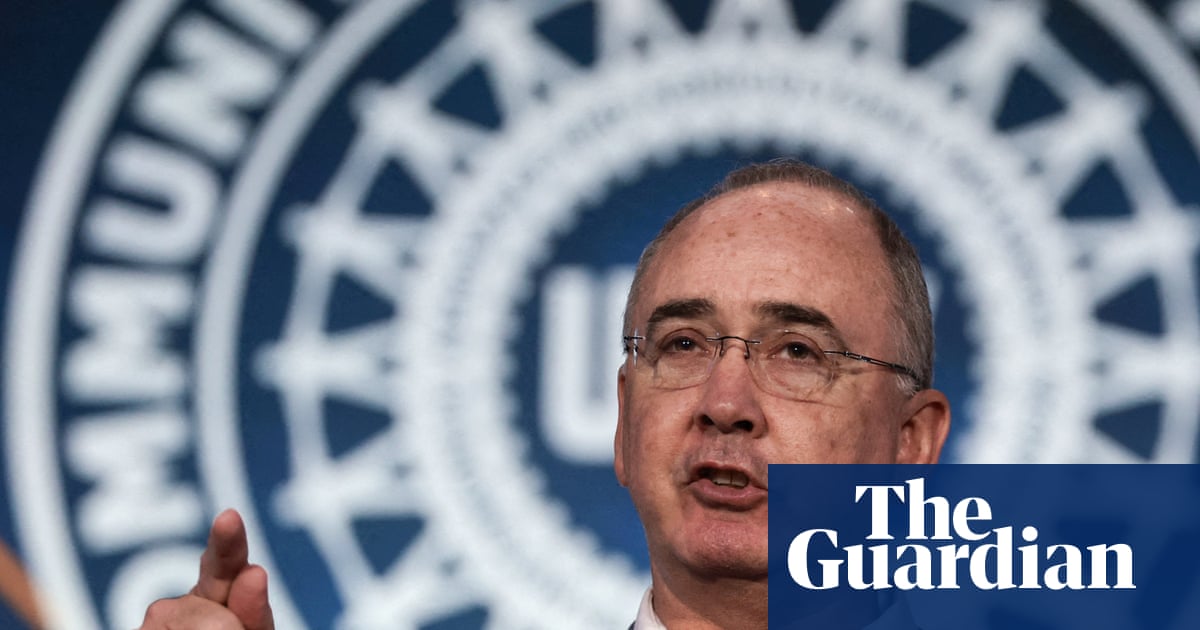
United Auto Workers president Shawn Fain easily wins re-election | US unions | The Guardian
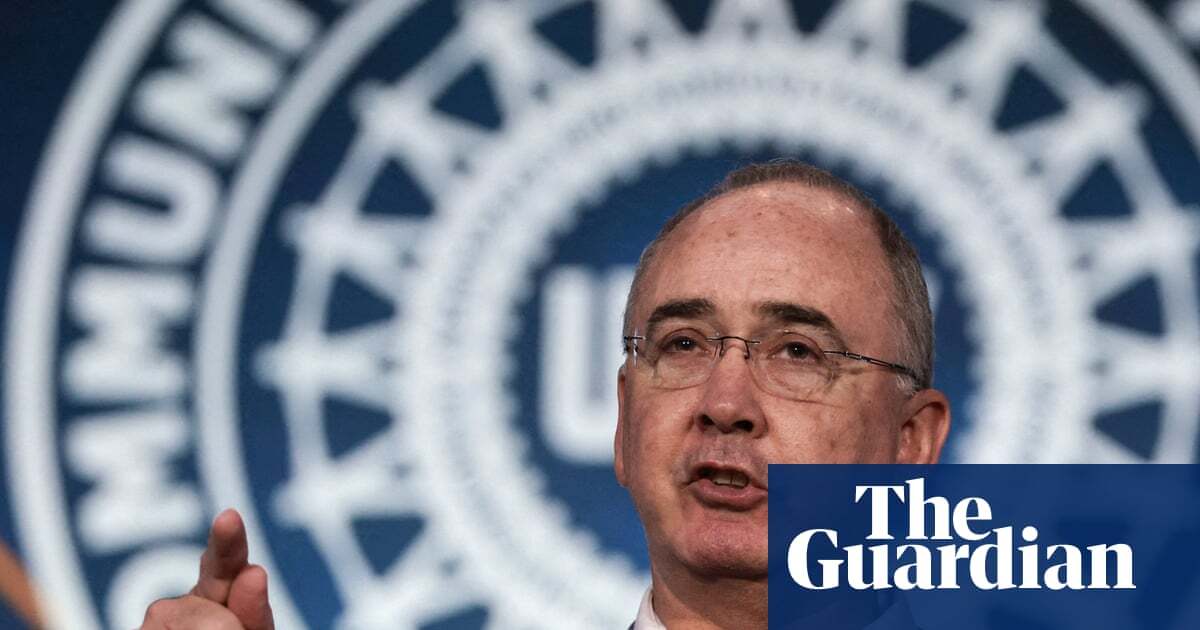
Fain was dogged by investigation but still decisively beat challenger Rich Boyer, who received just 13% of vote
Read the full article at: www.theguardian.com
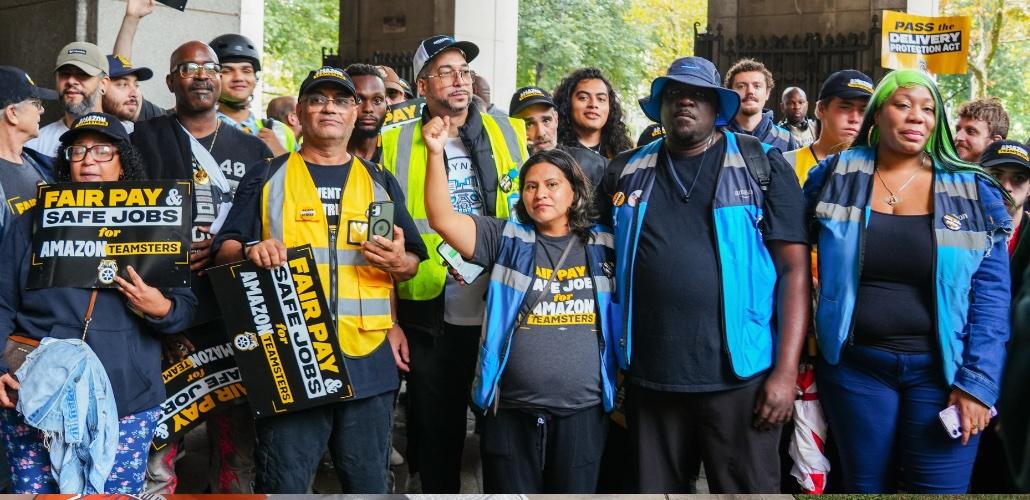
Amazon Package Drivers Rev Up Organizing to Become Direct Employees | Ricardo Torres
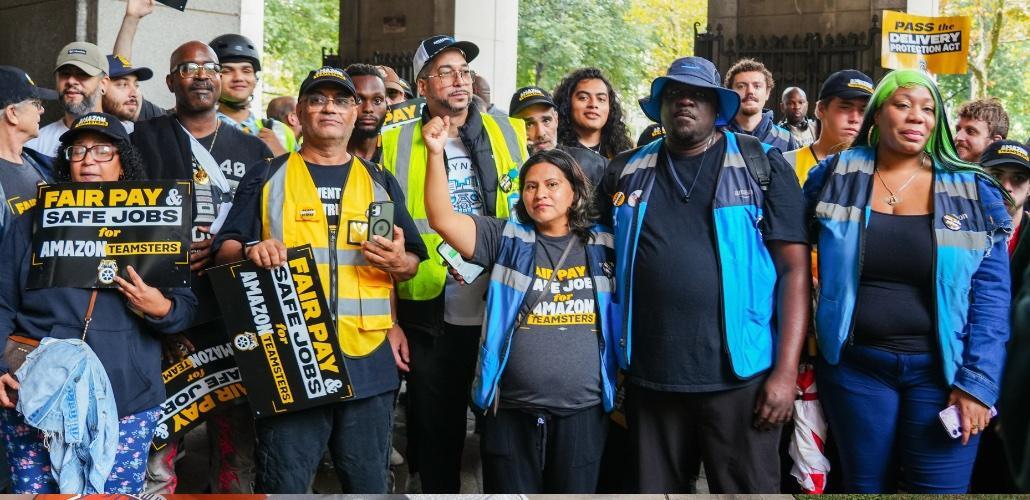
This article discusses how the DSA or the Democratic Socialists of America are collaborating with the Teamsters on efforts to pass legislation (The Delivery Protection Act) which would require companies like Amazon, FedEx and others to directly employ drivers in NYC last‑mile delivery facilities and is backed by NYC Mayor Mamdani, the AFL-CIO-affiliated New York City Central Labor Council and a supermajority of city council members.
This law if passed could influence and be a proving ground for last mile national policy and logistics strategy, it could embolden other municipalities and states to adopt comparable measures, creating a ripple effect.
The underlying story is in the increasing collaboration between traditional labor unions and far left organizations such the DSA.
Labor union Dissident groups are nothing new but have been growing not just in numbers but effectiveness, other groups like Teamsters for a democratic union (TDU), The New Directions Movement (NDM) and Soldiers of Solidarity (SOS) with the UAW members have existed for decades.
These and other dissident and socialist organizations were at one time declared enemies of union leadership but now are being accepted and even courted by national leaders as they face a more aggressive rank and file membership. One example is current Teamsters President Sean O’Brien who at one time was an old guard supporter of Jimmy Hoffa Jr., In 2013, O’Brien was suspended for two weeks for threatening members of the Teamsters for a Democratic Union who were opposing one of his allies, the history with TDU and local and national leaders has been a violent one, O’Brian is now working with TDU and was even a keynote speaker at another dissident labor organization, Labor Notes.
The growth of Worker Centers and truly independent unions have grown expeditiously, the independent unions have rejected the traditional top-down power structure but affiliation with an established union is the natural trajectory of an independent union campaign, for example the Starbucks workers united is actually “Workers United” affiliated with the SEIU union, in fact the Workers United union is a succession of different union merges going back to 1900.
While unions are now increasingly evolving as socialist allies, socialists have also historically criticized unions for being reformist—focused on improving capitalism rather than overthrowing it.
Socialist organizations and unions are increasingly intertwined, and their interactions are influencing how unions organize, campaign, and strategize, understanding evolving union tactics is essential in maintaining a productive union free environment.
Read the full article at: www.linkedin.com

Reckoning With the Failures of Tech Worker Organizing

Two organizers who helped build the tech worker movement ask why its victories proved so difficult to turn into lasting power.
Read the full article at: jacobin.com

Union approval at highest level in 61 years – NW Labor Press | Ricardo Torres

Recently Gallup reported that seventy-one percent of Americans now approve of labor unions, slightly higher to last year’s 68%, this is the highest approval since the 1950s, when 73–75% approved;
Nearly half of Americans (47%) want labor unions in the U.S. to have more influence than they do today, a record high in the past quarter century and roughly double the 23% who want unions to have less influence. Another 26% want unions’ influence to remain the same.
The union win rate in NLRB RC (representation-certification) elections was approximately 78% during the first half of calendar year 2026. This was nearly unchanged from the comparable 2025 period. In Q1 alone, the reported rate was 77.5%.
I have also read articles on why the results of these stats should be minimized rather than taken as an important window into the views and emotions of employees and potential organizing targets across the country.
There are many reasons why workers seek out unions and many reasons why the union election win rate is high, too many for more than an overview on this format.
In 2025, there was verry insightful survey done by the law firm Littler Mendelson P.C. about management’s preparedness gap to confront labor union organizing activities.
They identified vulnerabilities for U.S. companies that are not well prepared to manage union-organizing activities based on evidence of a “preparedness gap based on surveys of nearly 800 in-house attorneys, human resources professionals”.But today’s workforce can be complicated, and I can attest from my former days as national union official that unions follow these trends on a national level.
According to a survey done by the American Psychological Association, “Job insecurity is having a significant impact on a majority of U.S. workers’ (54%) stress levels, according to APA’s 2025 Work in America™ survey. As workers contend with changes in government policy and growing economic uncertainty”
Job security is one of the biggest reasons that workers seek union representation. Workers often experience job insecurity when they doubt the stability, value, or future of their roles. This insecurity can stem from a mix of external, organizational, and personal factors.
One important finding in the APA survey is that workers who were satisfied with their relationship with their manager were less likely to describe their work experience as toxic (10% vs. 55% of workers unsatisfied with their relationship). These workers were also less likely to report concerns about losing their job due to an economic slump (43% vs. 52%) and to say things felt uncertain at their job right now (31% vs. 66%).
This data and common-sense leads to the logical conclusion that employees are more likely to prosper when they have a sense of community at work, Positive, collaborative, and professional relationships will create a productive non-union environment.
Read the full article at: www.linkedin.com

Lets talk about overcoming the odds in a union campaign. Any employer that has ever won has done just that… it’s not impossible just requires education and strategic empathy along with a solid… …

Lets talk about overcoming the odds in a union campaign. Any employer that has ever won has done just that… it’s not impossible just requires education and strategic empathy along with a solid legal team and knowledgeable consultant.
Read the full article at: www.linkedin.com
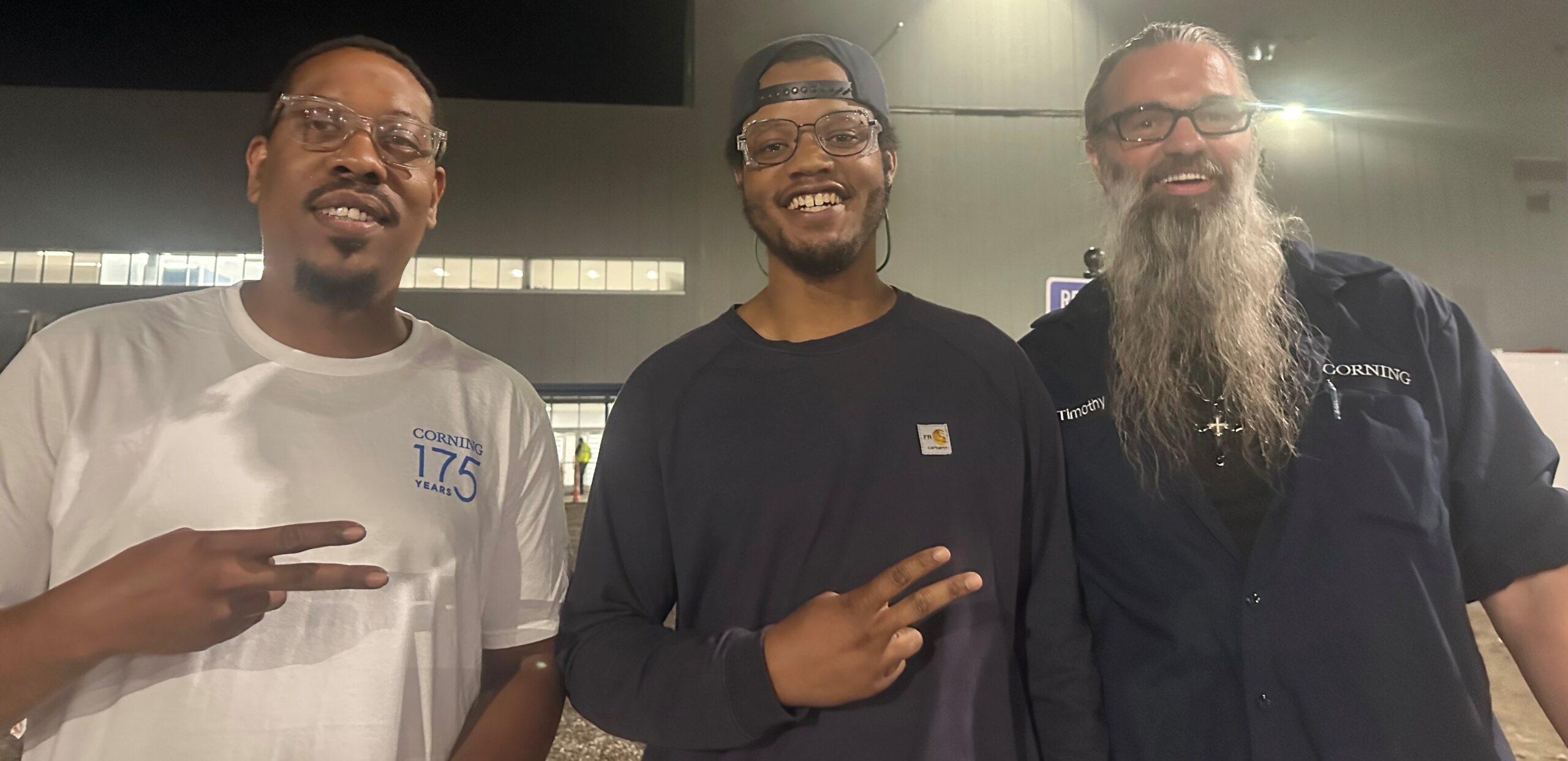
Fourteen Hundred Solar Manufacturing Workers Join the Steelworkers
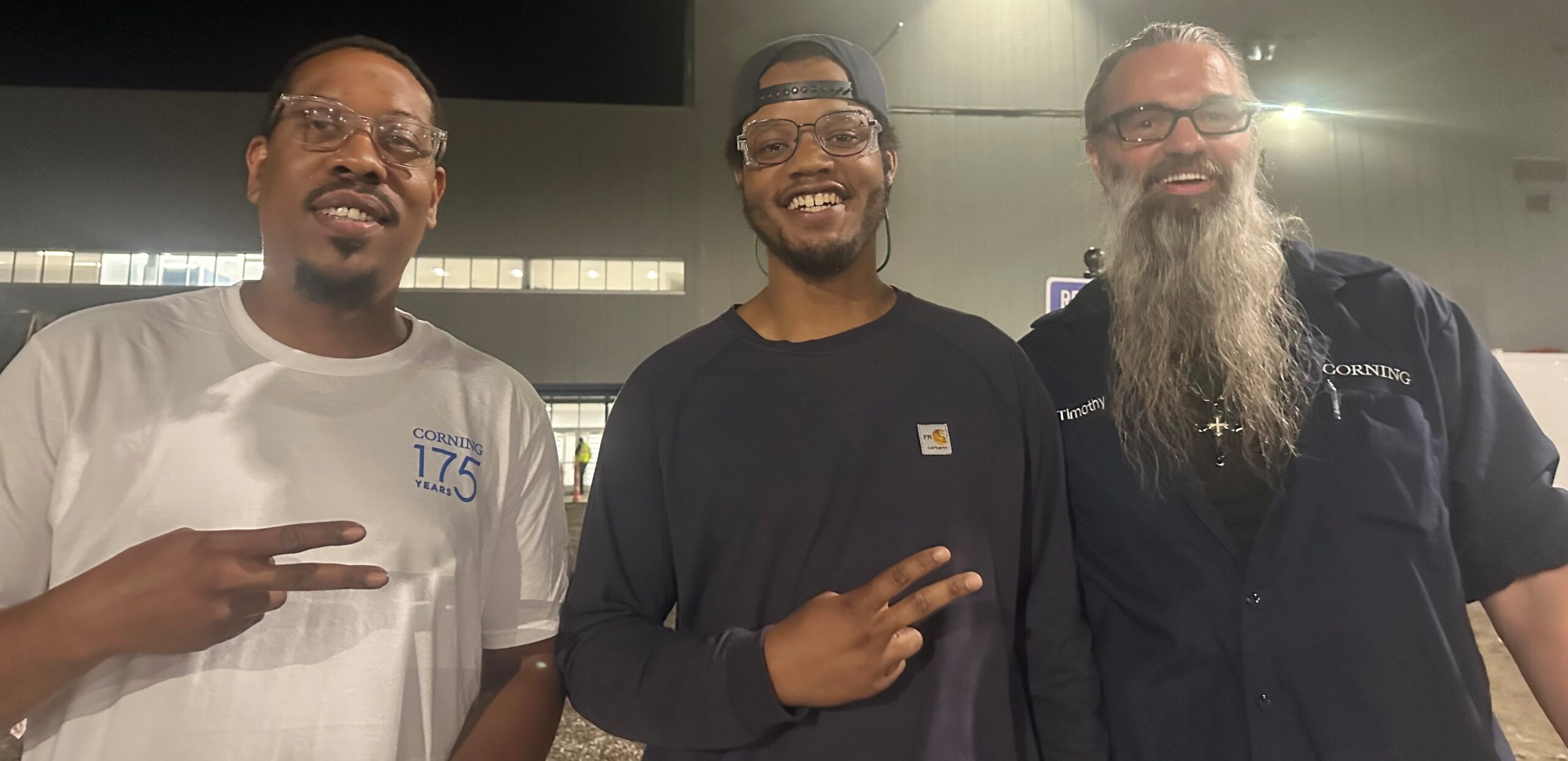
Workers at a Corning solar manufacturing plant in Michigan voted September 1 to join the Steelworkers (USW). The vote was a close 560-512, following an intense anti-union campaign by the company. Nakisha West, a wirecutter, voted yes for “fairness and accountability.” She and her co-workers use scorching heat and precision-cutting tools to turn polysilicon crystals, or boules, into slim squares, known as wafers, for solar panels. “It’s a very dirty job, but somebody’s gotta do it,” she said.
Read the full article at: labornotes.org

Indiana: Blue Chip slot attendants win landslide NLRB election, defeat union-busting campaign | Ricardo Torres

This vote count demonstrates once again that small units are hard for management to educate employees about unions and gain their trust in the short time between an NLRB petition and election.
The theatrics of walking on a boss with a demand to recognize the union is just an exercise to bond the group together and make it difficult for any of them to change their union support later without looking weak and being categorized as a traitor by their co-workers.
The perception of being a traitor and not respected by their co-workers is a very powerful tool used by unions to keep their people in line and is the reason many union members who cross their own picket line quit soon after the contract is resolved, union organizing campaigns as well as labor strikes are filled with psychology tricks to keep union members or potential union members obedient,
The “walk on the boss” action also indicates to me that the management team wasn’t fully aware of the extent of the union activity.
The casino should have expected the organizing campaign to happen sooner or later and been better prepared for the union activity, UNITE HERE also represents around 250 hospitality staff workers at the Blue Chip and the Teamsters would have reached out to them for internal support.
Worker support and trust should never be something that needs to be rushed once union activity or an RC petition is filed, it should be a continues and sincere goal, unions prioritize organizing units based on the weakness of their management teams,
Understanding union organizing targets across the country and in your industry along with actively improving communication policy and supervision skills is vital to retaining a productive union free environment.
Read the full article at: www.linkedin.com
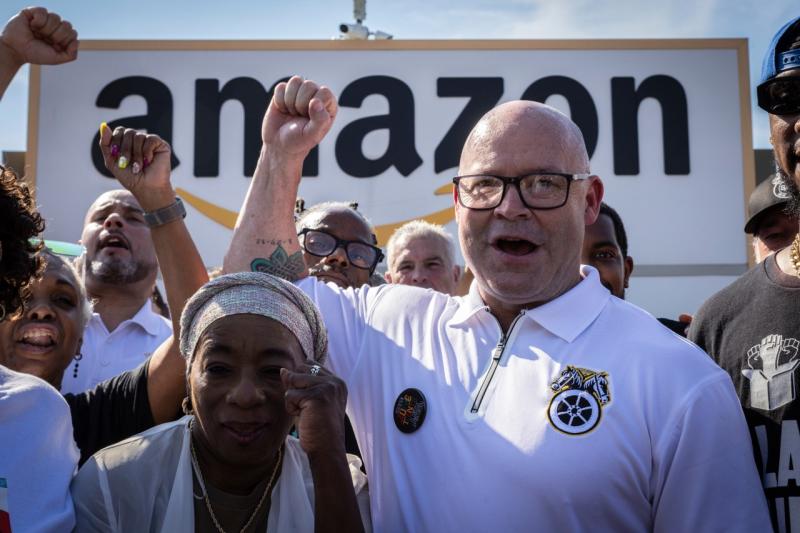
US moves to end Teamsters union oversight | Ricardo Torres
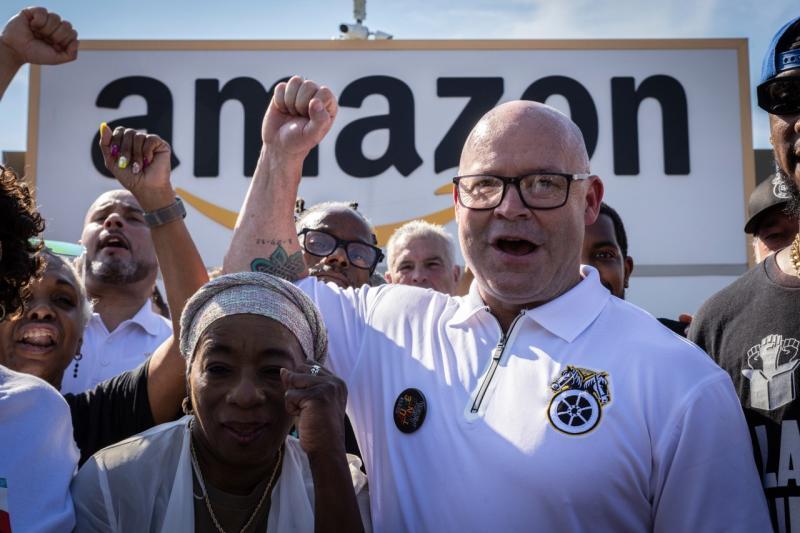
The International Brotherhood of Teamsters and the U.S. Department of Justice have jointly filed a motion to end federal oversight of the union after nearly 37 years of monitoring, marking the longest such monitorship in U.S. history.
The current oversight stems from a 1988 civil racketeering lawsuit brought by then-U.S. Attorney Rudy Giuliani, which alleged that organized crime had run the Teamsters as a racketeering enterprise for decades Reuters. In 1989, a consent decree was reached, requiring a court-appointed monitor to oversee internal affairs, changes to the union’s election process to ensure fairness, creation of a review board to investigate corruption allegations.
The consent order was established in 1989 when the IBT settled this lawsuit filed after years of corruption and mob influence. It was replaced in 2015 with the final order which established the current anti-corruption program consisting of the Independent Review Officer and the Independent Investigations Officer.
As part of the original consent order, Teamsters for a Democratic Union (TDU) fought for and won the right to vote for International Union officers and Convention Delegates under democratic rules with an independent election supervisor. These rights are now written in the Teamsters Constitution and will continue without change.
Under the joint motion filed, Judge Barbara Jones, the Independent Review Officer, will continue to play an oversight role for another three years with an option to extend if she believes the IBT has not sufficiently maintained its disciplinary and audit systems at the end of that term.
An interesting fact is that TDU has had a volatile history with Sean O’Brien and as a result O’Brian was suspended for two weeks in 2013 after an Independent Review Board found out he had violated union rules by threatening TDU members during a Rhode Island election rally.
There is also a concern within the labor movement that Teamsters for the Democratic Unions support for O’Brien has aligned the union with far-right politics, With the TDU annual convention approaching, some TDU members and reform groups, such as Teamsters Mobilize, report they have been banned from attending TDU conventions, citing political alignment with O’Brien and Trump CounterPunch.org. Critics say TDU has abandoned its reformist image, instead elevating its own members into leadership roles while O’Brien steers the union toward nationalist politics.
Politics within the labor movement are fierce and union officials they will eat their own the minute they see any challenge to their authority including rank-and-file members.
Read the full article at: www.linkedin.com
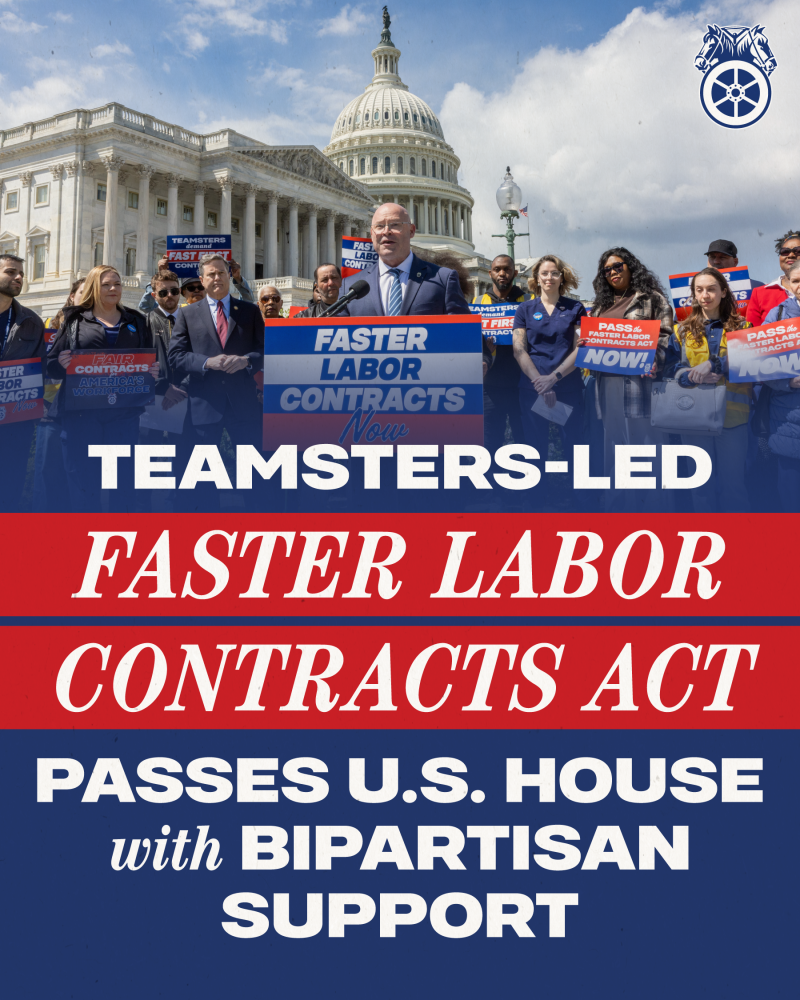
Teamsters-Led Faster Labor Contracts Act Passes U.S. House With Bipartisan Support | Ricardo Torres
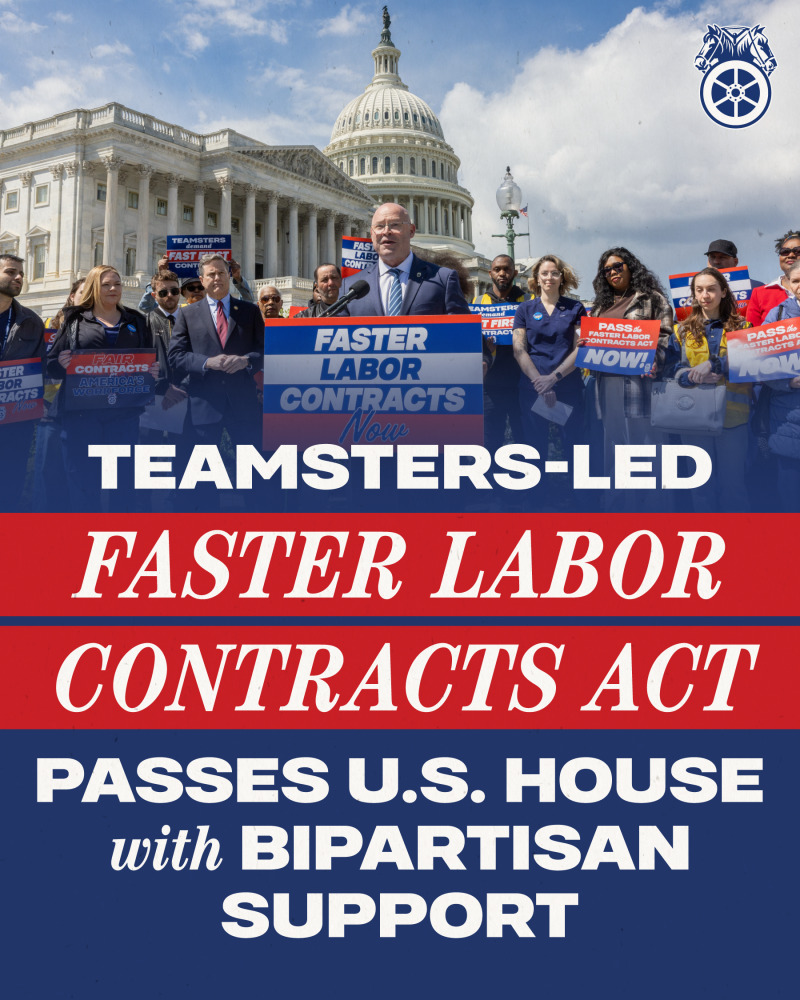
The NLRA currently imposes no timeline for reaching a first contract. The labor movement’s goal for years has been to legalize a timeline for contract negotiations and forced arbitration if short timeline is not met.
The Faster Labor Contracts Act (H.R.5408) passed in the House of Representatives with bipartisan support on June 9, 2026.
The FLCA would amend the National Labor Relations Act to require employers to bargain with newly organized workers within 10 days of voting to form their union. Establishing a timeline for all parties to negotiate, the legislation provides a path to mediation if no agreement is reached within 90 days and a referral to arbitration to ensure first contracts can be quickly completed.
This constitutes a maximum bargaining period of 120 days – 90 days of bargaining followed by 30 days of mediation – before either party can invoke mandatory arbitration.
High Costs and Risk to Small Businesses, forced contracts could include expensive, long-term obligations such as large pension commitments or costly benefits packages. These mandates could limit hiring, slow growth, or even force companies into bankruptcy if the terms are unworkable, small businesses may lack the resources to absorb such obligations.
I see the potential for bad-faith bargaining where unions would resist coming to an agreement based on the financial realities of the company, to stall or avoid concessions, knowing that arbitration could award them a better deal than they could secure at the table. This would make negotiations more adversarial.
Many unions see the FLCA as a transformative piece of labor reform that could significantly shorten the time between a union vote and a binding contract, while holding employers accountable for timely negotiations but some labor advocates have reacted with alarm to the act, arguing it is a thinly veiled attack on collective bargaining rights, emphasizing that compressing negotiation timelines systematically advantages well-resourced corporations over workers who need time to organize, consult members, and counter complex employer proposals.
There are some unknowns to this bill, for example, based on the current iteration of the legislation, it is not entirely clear who would have to pay for all this. Arbitration can be expensive and the law requires a panel of three arbitrators.
The FLCA is not law yet. It requires Senate passage and the President’s signature before taking effect. However, the bipartisan House vote and the presence of a companion bill with growing Senate support suggest this legislation has strong momentum.
Read the full article at: www.linkedin.com