

By: Ricardo Torres
Scoop.it
Comments: No Comments.
The NLRA currently imposes no timeline for reaching a first contract. The labor movement’s goal for years has been to legalize a timeline for contract negotiations and forced arbitration if short timeline is not met.
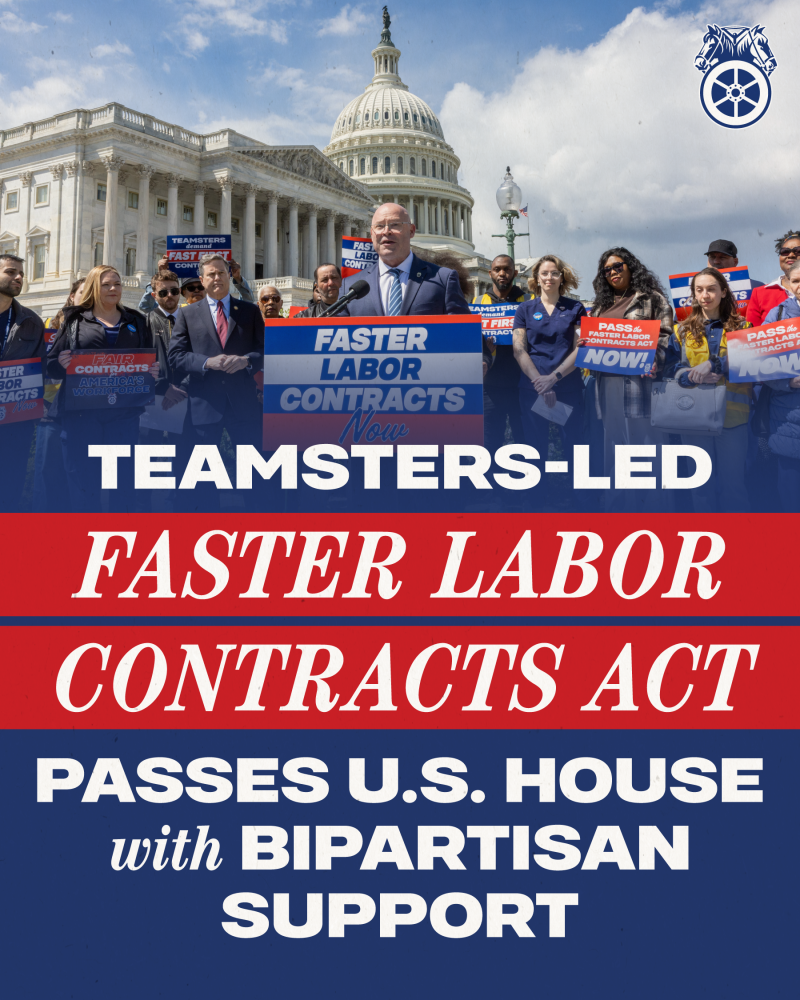
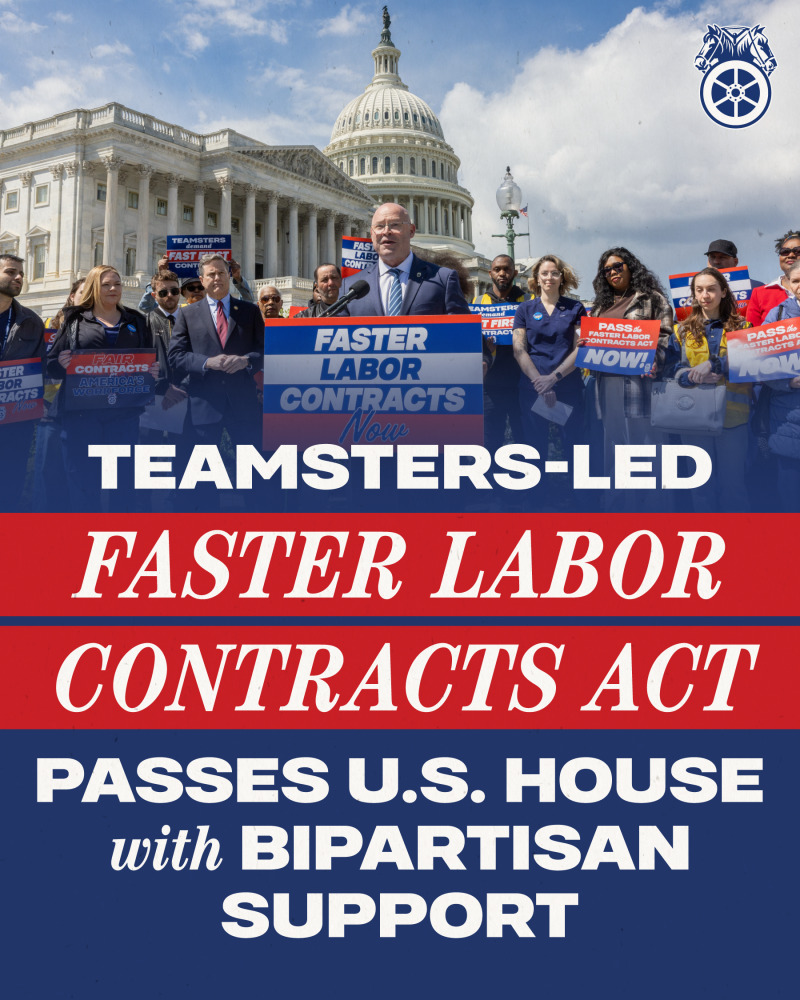
The Faster Labor Contracts Act (H.R.5408) passed in the House of Representatives with bipartisan support on June 9, 2026.
The FLCA would amend the National Labor Relations Act to require employers to bargain with newly organized workers within 10 days of voting to form their union. Establishing a timeline for all parties to negotiate, the legislation provides a path to mediation if no agreement is reached within 90 days and a referral to arbitration to ensure first contracts can be quickly completed.
This constitutes a maximum bargaining period of 120 days – 90 days of bargaining followed by 30 days of mediation – before either party can invoke mandatory arbitration.
High Costs and Risk to Small Businesses, forced contracts could include expensive, long-term obligations such as large pension commitments or costly benefits packages. These mandates could limit hiring, slow growth, or even force companies into bankruptcy if the terms are unworkable, small businesses may lack the resources to absorb such obligations.
I see the potential for bad-faith bargaining where unions would resist coming to an agreement based on the financial realities of the company, to stall or avoid concessions, knowing that arbitration could award them a better deal than they could secure at the table. This would make negotiations more adversarial.
Many unions see the FLCA as a transformative piece of labor reform that could significantly shorten the time between a union vote and a binding contract, while holding employers accountable for timely negotiations but some labor advocates have reacted with alarm to the act, arguing it is a thinly veiled attack on collective bargaining rights, emphasizing that compressing negotiation timelines systematically advantages well-resourced corporations over workers who need time to organize, consult members, and counter complex employer proposals.
There are some unknowns to this bill, for example, based on the current iteration of the legislation, it is not entirely clear who would have to pay for all this. Arbitration can be expensive and the law requires a panel of three arbitrators.
The FLCA is not law yet. It requires Senate passage and the President’s signature before taking effect. However, the bipartisan House vote and the presence of a companion bill with growing Senate support suggest this legislation has strong momentum.
Read the full article at: www.linkedin.com